
If you’re trying to figure out the difference between a powder cleanser vs foam cleanser, the short answer is texture and how you activate them. A foam cleanser comes out of the bottle ready to use. A powder cleanser starts as a dry powder that you mix with water in your hands.
Both clean your face. The experience of using them is what changes.

What a foam cleanser is
A foam cleanser is what most people think of when they picture face wash. You pump it into your hand, and it comes out as a soft foam or light lather. You apply it directly to your face, massage it in, and rinse.
Foam cleansers are fast. The formula is already activated, so there’s no extra step. They work well if you’re in a hurry or if you prefer a routine that feels automatic.
The trade-off is that foam cleansers often contain water as the first ingredient, along with surfactants and stabilizers to keep the foam consistent. If you’re sensitive to preservatives or you prefer a shorter ingredient list, that’s something to check.
What a powder cleanser is
A powder cleanser is a dry formula, usually made from finely milled ingredients like rice powder, oat flour, or green tea leaf. You pour a small amount into your palm, add a few drops of water, and rub your hands together until it turns into a foam or paste.
The foam you make is yours. The amount of water you add, how long you work it, and the temperature of the water all change the texture slightly.
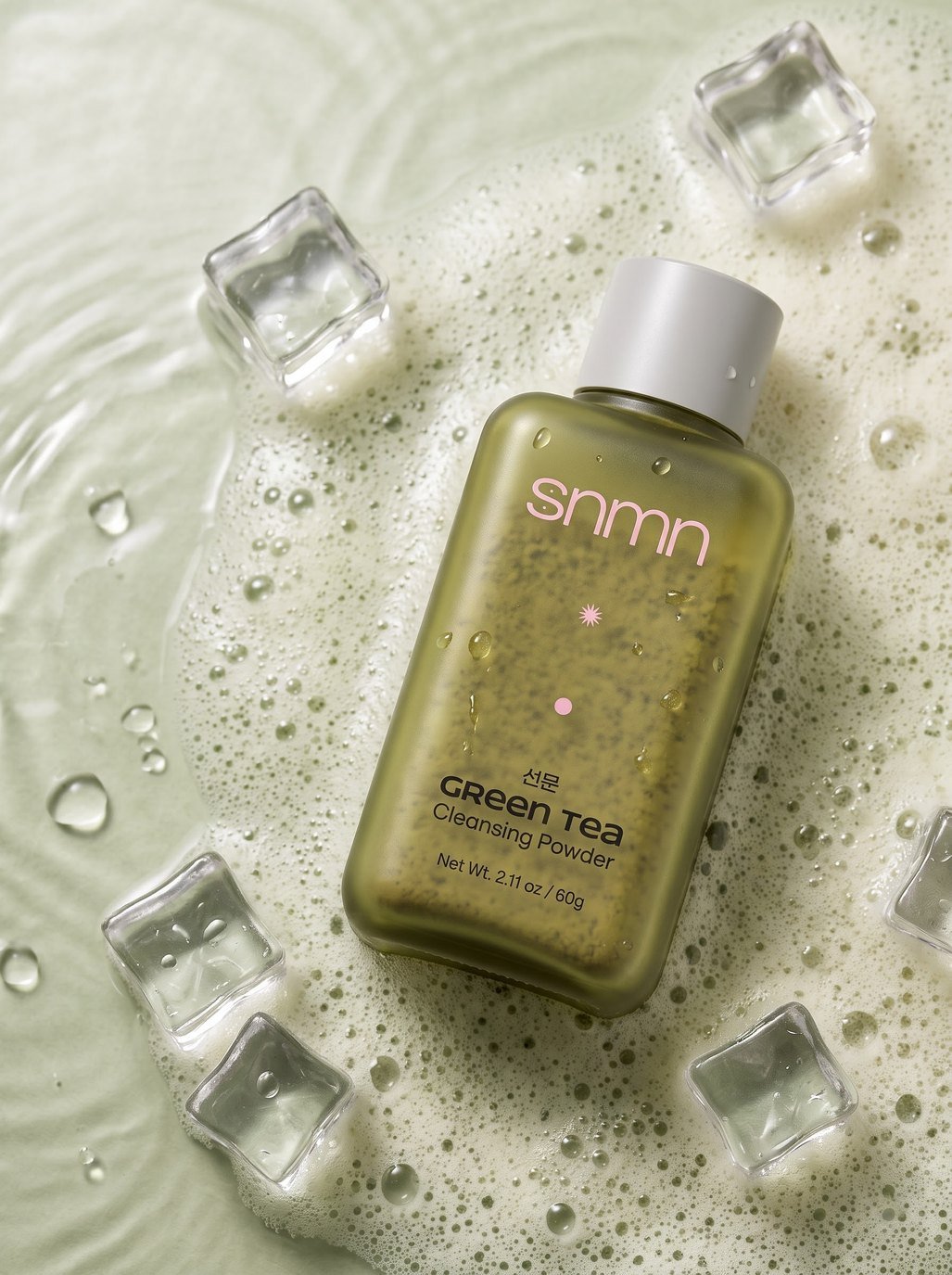
Powder cleansers don’t need water in the formula, so they don’t need the same preservatives. The ingredient list tends to be shorter. For people who want to know exactly what’s touching their skin, that matters.
The other thing people mention is the ritual. Mixing the powder by hand takes a few extra seconds, and those seconds feel different from pumping foam straight onto your face. It’s a small shift, but it changes the pace of the routine.
Powder cleanser vs foam cleanser: the main differences
Here’s what sets them apart:
Texture before use: Foam is wet and ready. Powder is dry and needs water.
Ingredient list: Foam cleansers contain water and usually more stabilizers. Powder cleansers are waterless and often have fewer ingredients.
Shelf stability: Powder stays stable longer because there’s no water to support bacteria. Foam cleansers need preservatives.
Portability: Powder is lighter and easier to pack if you travel. Foam can leak or take up more space.
Ritual: Foam is faster. Powder asks for a few extra seconds of attention.

Which types of cleansers are right for you
There’s no universal answer. It depends on what you want from your evening skincare routine.
If you want speed and you don’t mind a longer ingredient list, foam is practical. If you want a shorter list and you like the idea of mixing something by hand, powder might feel better.
Some people use both. Foam in the morning when they’re moving fast, powder at night when they have a few extra minutes.
How we think about it
We make a green tea powder cleanser because our founder wanted something plain and intentional. After years of losing track of their health and their sense of self, they wanted a routine that felt like caring for themselves, not just checking a box.
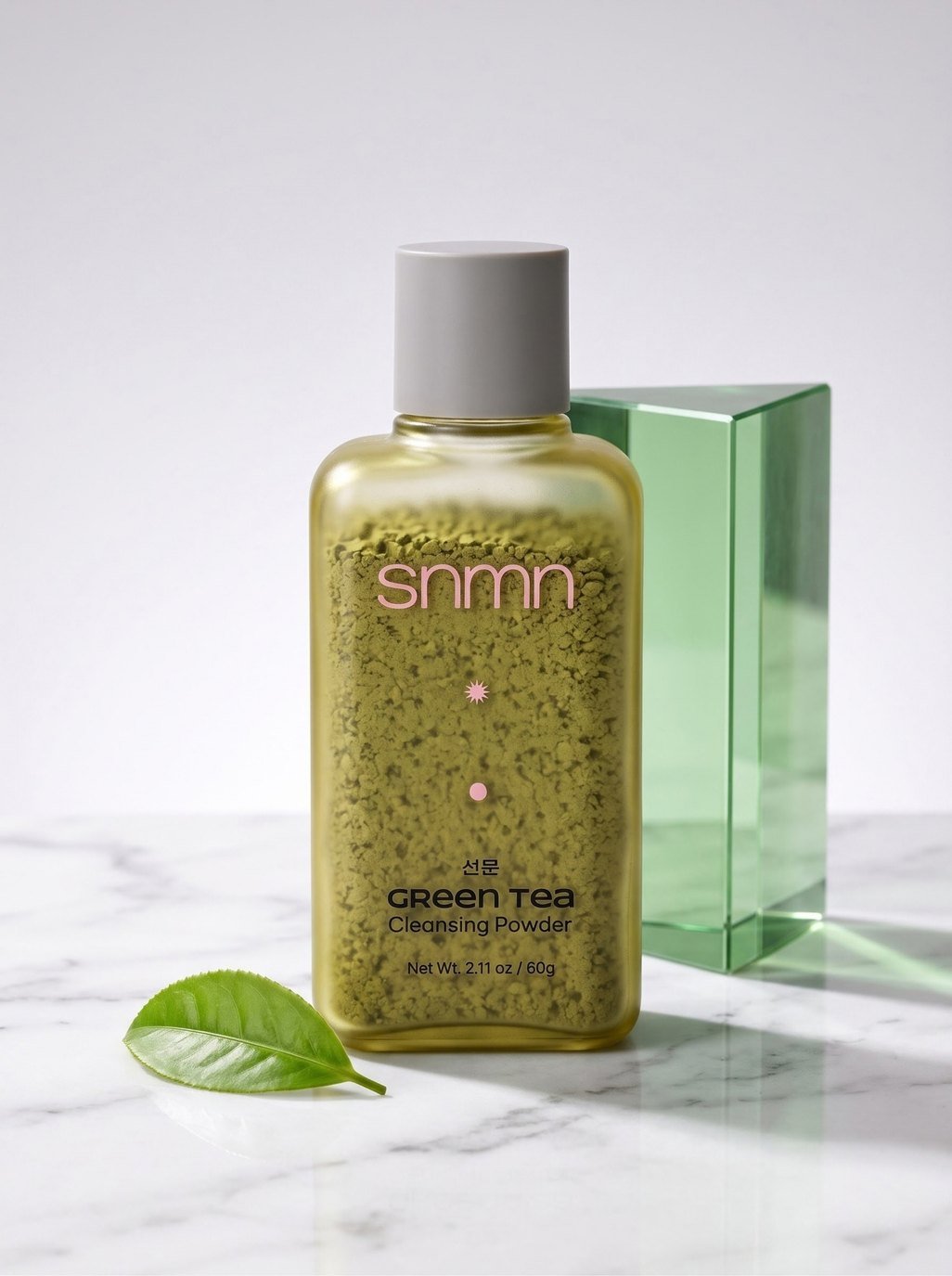
A dry cleanser made sense. Green tea leaf, some water, your hands. No pump, no bottle to shake, and five minutes that belong to you.
We don’t think powder is better than foam. We think it’s different, and for some people that difference matters.
A few things to check
If you’re comparing types of cleansers, here’s what to look at beyond powder vs foam:
Ingredients: Read the back. If you see a long list of things you don’t recognize, look them up or ask.
pH level: Your skin’s natural pH is slightly acidic. A cleanser that’s too alkaline can disrupt that. Check the brand’s website or email them.
Patch test: Try a small amount on your inner arm before using it on your face. Wait 24 hours and see how your skin reacts.
Your skin’s feedback: If your face feels tight or dry after cleansing, the formula might be too strong. If it feels like there’s a film left behind, it might not be rinsing clean.
Try it and see
The best way to know whether a powder cleanser or foam cleanser works for you is to use it for a week and notice how your skin feels. Not what the label says it should do, but what actually happens.
Close the bathroom door. Turn on the water. Pay attention.
That’s the only test that counts.