Category: Ingredients

  • Green Tea Cleanser: What to Expect the First Time

    Green Tea Cleanser: What to Expect the First Time

    If you’ve never used a green tea cleanser before, the first time can feel a little unfamiliar. The texture is different, the scent is different, and the way you use it is different from most face washes. That’s normal. Here’s what to expect and how to figure out if it’s right for you.

    What a green tea powder cleanser looks like

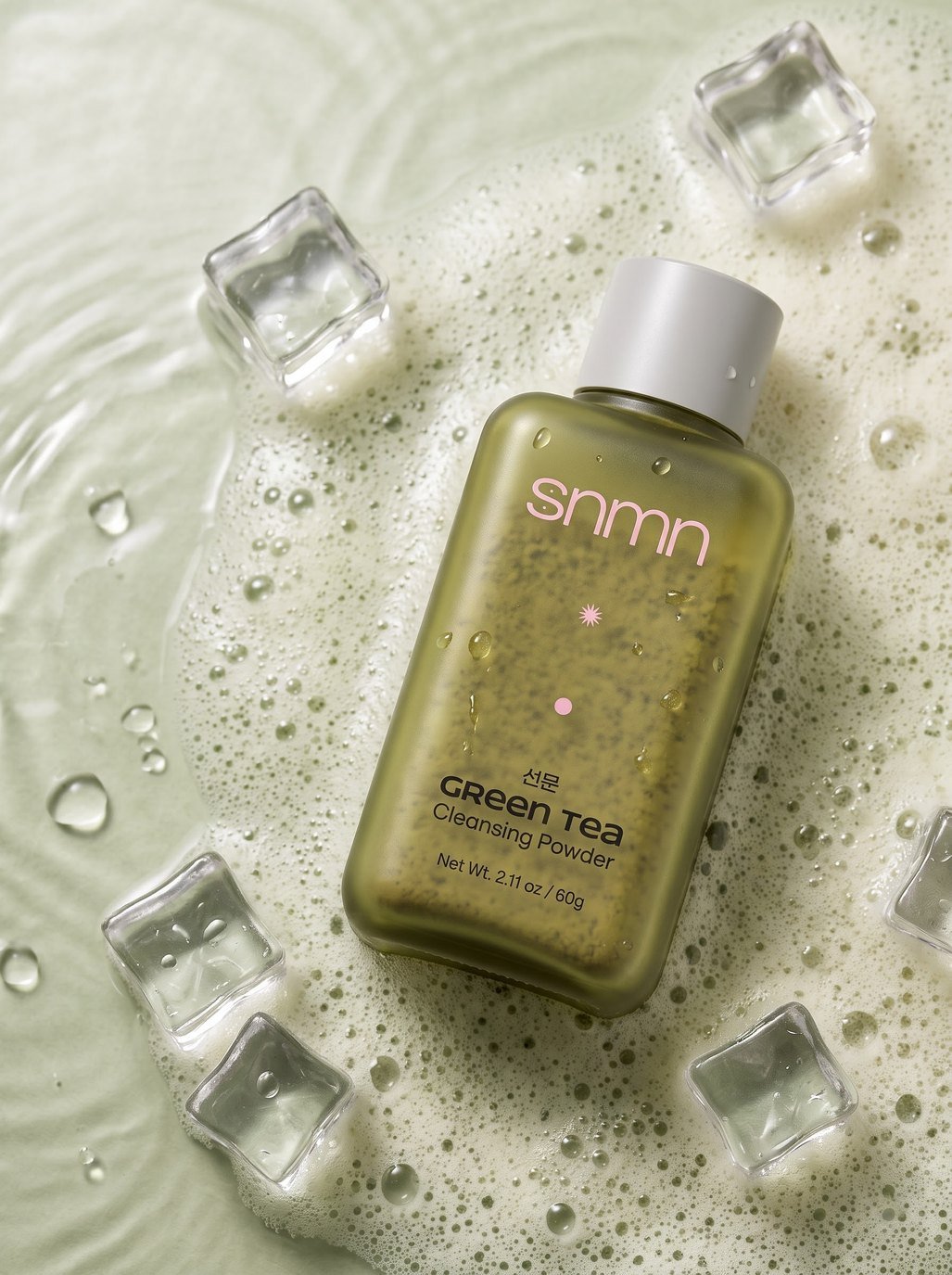
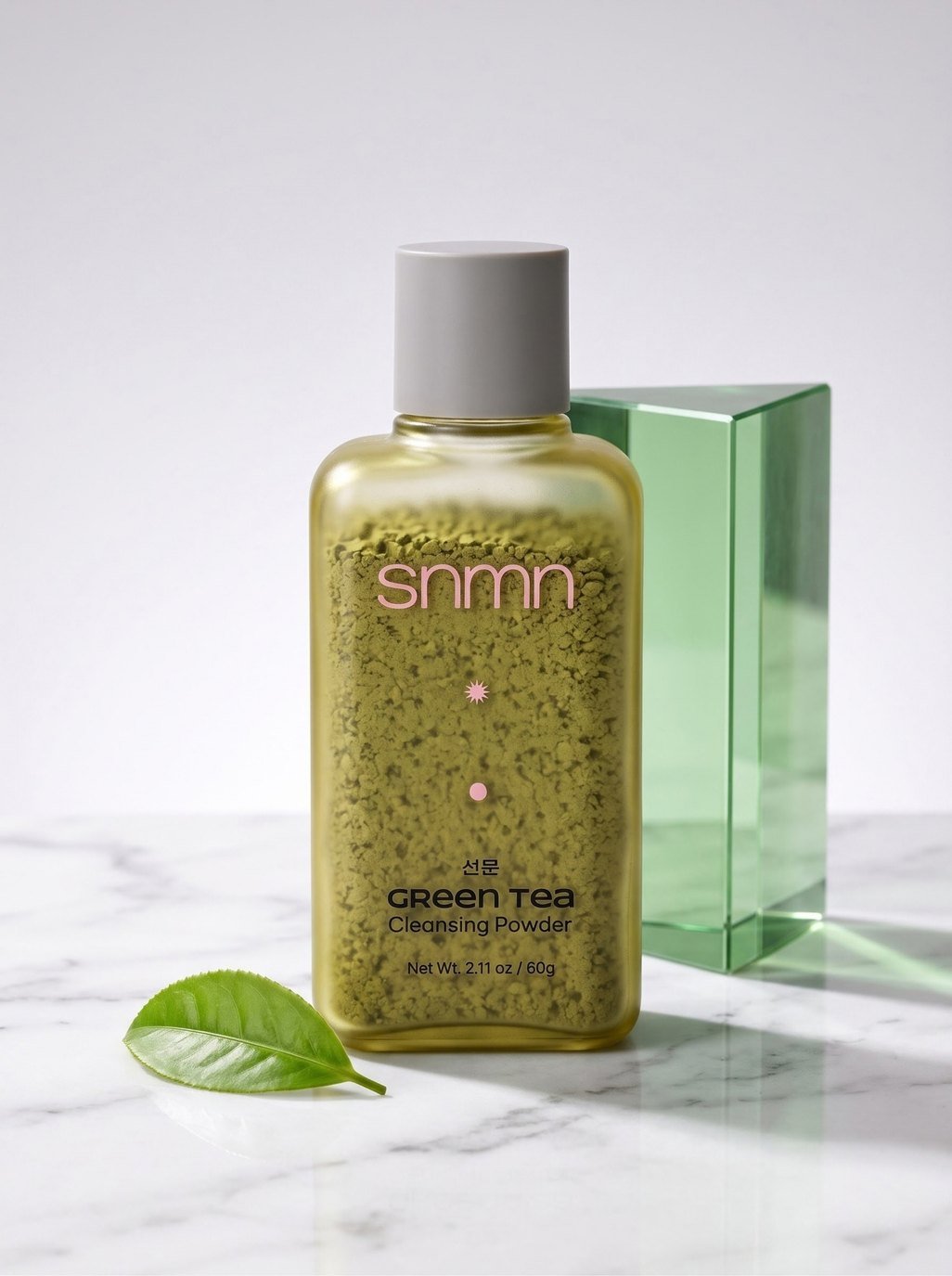
    When you open the jar, you’ll see a fine, dark green powder. It doesn’t foam on its own. It doesn’t smell like mint or cucumber or any of the usual face wash scents. It smells like green tea leaves, which is to say slightly grassy and a little bitter.
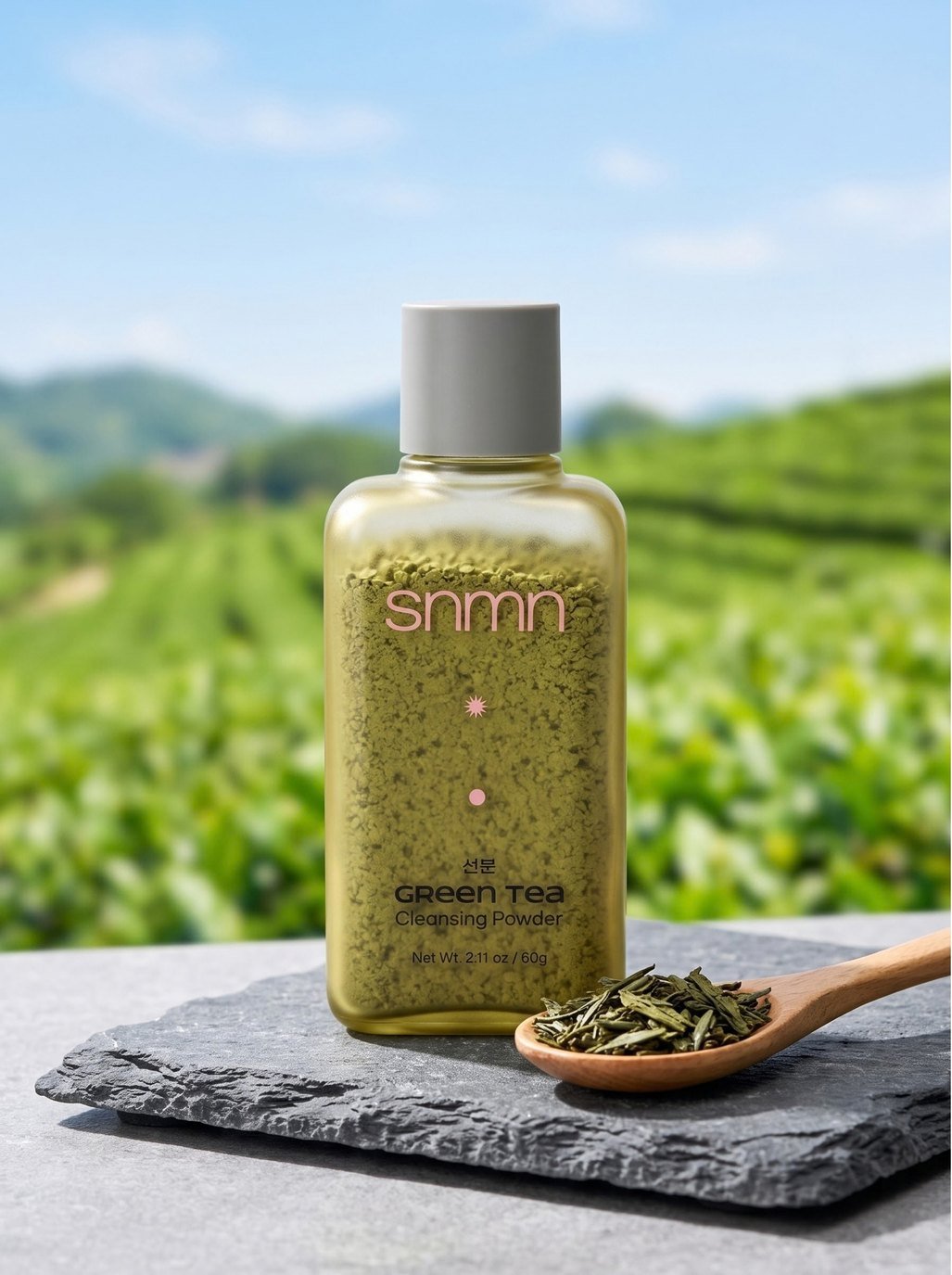
    snmn green tea powder cleanser jar

    Some people love that right away. Some people need a few uses to get used to it. Both reactions are fine.

    How to use it the first time

    Start small. You don’t need much powder to clean your face, and it’s easier to add more than to deal with too much foam.

    1. Make sure your hands are dry.
    2. Tip a small amount of powder into your palm. About the size of a dime.
    3. Add a few drops of cool water.
    4. Rub your hands together until the powder turns into a soft foam.
    5. Smooth the foam over your face in gentle circles.
    6. Rinse well with water.

    The first time, you might add too much water or not enough. That’s part of learning how your particular green tea face wash works. You’ll figure out the right ratio after a couple of tries.

    What it feels like on your skin

    The foam is softer and thinner than most gel or cream cleansers. It doesn’t feel slippery or thick. When you rinse it off, your skin should feel clean but not tight or stripped.

    If your skin feels tight after rinsing, you might be using too much powder or scrubbing too hard. Try a smaller amount and lighter pressure next time.

    Hands rinsing with water at a bathroom sink

    The scent

    The green tea scent is the part people ask about most. It’s not sweet. It’s not floral. It’s earthy and plain, like the smell of tea leaves before you brew them.

    If you’re used to face washes that smell like fruit or flowers, this will feel like a step in the opposite direction. We made it that way on purpose. The scent comes from the green tea leaf itself, not from added fragrance.

    Some people find it calming. Some people find it too plain. You’ll know pretty quickly which camp you’re in.

    How your skin might react

    Most people don’t have a reaction to a powder cleanser, but everyone’s skin is different. If you have sensitive skin or a history of reactions, do a patch test first. Use a small amount on your inner wrist or behind your ear, wait 24 hours, and see how your skin responds.

    If you notice redness, itching, or any discomfort on your face after using the cleanser, stop using it and rinse your face well with water. If the reaction continues or gets worse, see a dermatologist.
    Fresh green tea leaves in a white bowl

    What makes a powder cleanser different

    A green tea powder cleanser doesn’t have water in the formula, which means it doesn’t need the same preservatives as liquid cleansers. The ingredient list is shorter. The texture is different because you’re activating it yourself with water instead of pumping out something that’s already mixed.

    That difference is the whole point for some people and irrelevant for others. If you like knowing exactly what’s in your cleanser and prefer fewer ingredients, a powder formula makes sense. If you just want something that works and don’t care about the format, a liquid cleanser might be simpler.

    How to know if it’s for you

    Use it for a week. Not one time, but a week. The first time is always a little awkward because you’re learning how much powder to use and how much water to add. By the end of the week, you’ll know whether the texture works for you, whether the scent is something you want to smell every night, and whether your skin feels better or just different.

    If it doesn’t work for you, that’s fine. Not every cleanser is for everyone, and that includes ours.

    When to use it

    Most people use a green tea face wash at night. It’s the last step before bed, the part of your routine where the day is officially over and you’re done being on.

    You can use it in the morning if you want. Some people do. But we made it with nighttime in mind, when you have a few extra minutes and nobody needs anything from you for a bit.

    A note on expectations

    This cleanser won’t change your skin overnight. It’s not a treatment. It’s not going to shrink your pores or fade dark spots or do any of the things skincare ads promise. It’s a cleanser. It removes dirt and oil and leaves your skin clean.

    What it will do is give you a few minutes at the end of the day that belong to you. Whether that matters depends on what you’re looking for.

    This is general information, not medical advice.

  • Powder Cleanser vs Foam Cleanser: What’s the Difference?

    Powder Cleanser vs Foam Cleanser: What’s the Difference?

    If you’re trying to figure out the difference between a powder cleanser vs foam cleanser, the short answer is texture and how you activate them. A foam cleanser comes out of the bottle ready to use. A powder cleanser starts as a dry powder that you mix with water in your hands.

    Both clean your face. The experience of using them is what changes.

    Foam cleanser texture

    What a foam cleanser is

    A foam cleanser is what most people think of when they picture face wash. You pump it into your hand, and it comes out as a soft foam or light lather. You apply it directly to your face, massage it in, and rinse.

    Foam cleansers are fast. The formula is already activated, so there’s no extra step. They work well if you’re in a hurry or if you prefer a routine that feels automatic.

    The trade-off is that foam cleansers often contain water as the first ingredient, along with surfactants and stabilizers to keep the foam consistent. If you’re sensitive to preservatives or you prefer a shorter ingredient list, that’s something to check.

    What a powder cleanser is

    A powder cleanser is a dry formula, usually made from finely milled ingredients like rice powder, oat flour, or green tea leaf. You pour a small amount into your palm, add a few drops of water, and rub your hands together until it turns into a foam or paste.

    The foam you make is yours. The amount of water you add, how long you work it, and the temperature of the water all change the texture slightly.

    snmn green tea powder cleanser in hand

    Powder cleansers don’t need water in the formula, so they don’t need the same preservatives. The ingredient list tends to be shorter. For people who want to know exactly what’s touching their skin, that matters.

    The other thing people mention is the ritual. Mixing the powder by hand takes a few extra seconds, and those seconds feel different from pumping foam straight onto your face. It’s a small shift, but it changes the pace of the routine.

    Powder cleanser vs foam cleanser: the main differences

    Here’s what sets them apart:

    Texture before use: Foam is wet and ready. Powder is dry and needs water.

    Ingredient list: Foam cleansers contain water and usually more stabilizers. Powder cleansers are waterless and often have fewer ingredients.

    Shelf stability: Powder stays stable longer because there’s no water to support bacteria. Foam cleansers need preservatives.

    Portability: Powder is lighter and easier to pack if you travel. Foam can leak or take up more space.

    Ritual: Foam is faster. Powder asks for a few extra seconds of attention.

    Hands mixing cleanser with water

    Which types of cleansers are right for you

    There’s no universal answer. It depends on what you want from your evening skincare routine.

    If you want speed and you don’t mind a longer ingredient list, foam is practical. If you want a shorter list and you like the idea of mixing something by hand, powder might feel better.

    Some people use both. Foam in the morning when they’re moving fast, powder at night when they have a few extra minutes.

    How we think about it

    We make a green tea powder cleanser because our founder wanted something plain and intentional. After years of losing track of their health and their sense of self, they wanted a routine that felt like caring for themselves, not just checking a box.

    snmn green tea powder cleanser package

    A dry cleanser made sense. Green tea leaf, some water, your hands. No pump, no bottle to shake, and five minutes that belong to you.

    We don’t think powder is better than foam. We think it’s different, and for some people that difference matters.

    A few things to check

    If you’re comparing types of cleansers, here’s what to look at beyond powder vs foam:

    Ingredients: Read the back. If you see a long list of things you don’t recognize, look them up or ask.

    pH level: Your skin’s natural pH is slightly acidic. A cleanser that’s too alkaline can disrupt that. Check the brand’s website or email them.

    Patch test: Try a small amount on your inner arm before using it on your face. Wait 24 hours and see how your skin reacts.

    Your skin’s feedback: If your face feels tight or dry after cleansing, the formula might be too strong. If it feels like there’s a film left behind, it might not be rinsing clean.

    Try it and see

    The best way to know whether a powder cleanser or foam cleanser works for you is to use it for a week and notice how your skin feels. Not what the label says it should do, but what actually happens.

    Close the bathroom door. Turn on the water. Pay attention.

    That’s the only test that counts.